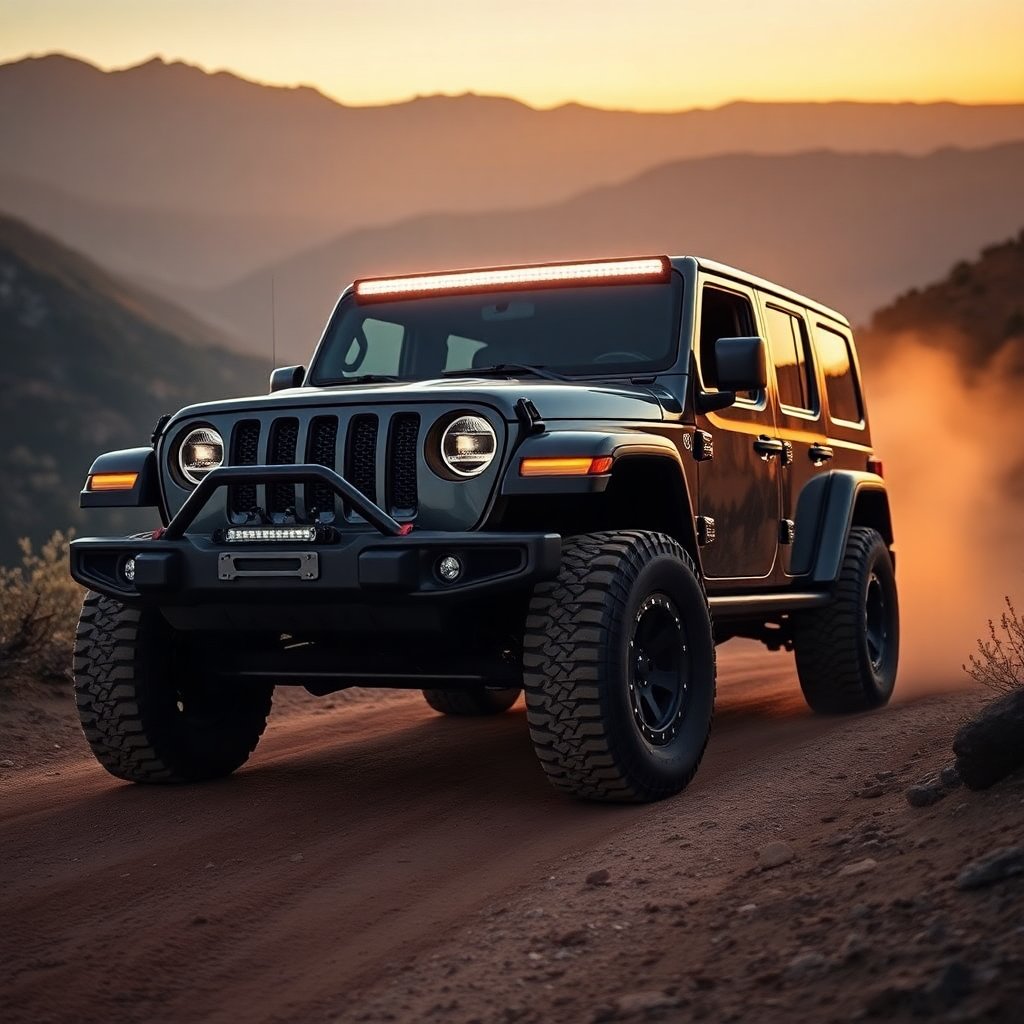
Cold is the one trail condition you cannot air down for or winch out of. When the temperature drops below freezing and you are parked at a trailhead miles from pavement, a good heat source is the difference between a great weekend and packing up at 2 a.m. to run the engine for warmth. Diesel air heaters have quietly become the standard answer for overlanders who want reliable, off-grid heat that sips fuel and does not drain the house battery, and heading into the 2026 winter season the gear has never been better or cheaper.
This guide covers how these heaters work, the real gap between budget and premium units, the fuel and power numbers that matter for planning, high-altitude tuning, and the safety rules you cannot skip. Whether you sleep in a rooftop tent, a truck bed, or a built-out rig, the same principles apply.
Affiliate disclosure: some links below are Amazon affiliate links. If you buy through them, this site may earn a small commission at no extra cost to you.
How a diesel air heater actually works
A diesel air heater is a small combustion furnace, not an open flame in your sleeping space. It draws a tiny amount of diesel from a dedicated tank or a tap off your vehicle's fuel supply, burns it inside a sealed chamber, and pushes the heat into your living space through a separate air circuit. The critical detail is that the combustion air and exhaust stay fully isolated from the warm air you breathe. Fresh outside air feeds the burner, exhaust gases pipe straight out through an exhaust line, and a separate fan blows clean cabin air across the hot heat exchanger and into the tent or cab.
That separation is why these units can run safely overnight in a way an open buddy heater cannot. Nothing from the burn cycle mixes with your air as long as the exhaust and intake are routed correctly and stay sealed. It also explains why they are so efficient: you are heating with diesel, which packs far more energy per liter than propane or a battery bank.
Budget vs premium: the VEVOR question
The market splits cleanly into two camps, and knowing which one fits your travel style saves both money and regret.
Premium units come from Webasto and Eberspacher (Espar), the same companies that supply factory heaters to Mercedes, BMW, and commercial truck builders. An Espar Airtronic or Webasto Air Top runs quiet enough to sleep beside, tunes itself automatically for altitude, and carries real warranty support. Expect to pay roughly 1,200 to 2,500 dollars depending on the model and whether you install it yourself. → Shop Webasto and Espar diesel heaters on Amazon
Budget units are the Chinese-built heaters sold under VEVOR and a dozen similar names, often for 100 to 200 dollars for a complete kit. The honest assessment from years of overlander use is that these deliver roughly 80 to 90 percent of premium performance at 20 to 30 percent of the price. Heat output and fuel efficiency are nearly identical on paper. Where they differ is fuel-pump noise, controller quality, long-term durability, and the near-total absence of warranty help when something fails. → Shop VEVOR diesel heaters on Amazon
The practical rule is simple. For occasional winter trips where a failed heater means an uncomfortable night and a drive home, a budget unit makes complete financial sense, and plenty of overlanders run them for years. For full-time travel or genuinely remote expeditions where losing heat is a real safety problem, the premium reliability earns its cost.
The numbers that matter for trip planning
Two figures drive every decision: how much diesel the heater burns and how much power it pulls from your battery.
Fuel consumption is remarkably low. A 2kW unit sips roughly 0.10 to 0.24 liters per hour, and a 5kW unit runs around 0.10 to 0.35 liters per hour at moderate settings, climbing toward 0.5 liters only at full blast. In real terms, most overlanders running a heater overnight at a comfortable setting burn 1.5 to 3 liters total. A small dedicated 5- to 10-liter tank covers many nights, which is why diesel heating is one of the most affordable off-grid heat options going.
Power draw is the number people forget. On startup the glow plug pulls hard, typically 8 to 15 amps for a few minutes during ignition, then the unit settles to just 1 to 3 amps while running. That means you must size the wiring and the battery for the startup spike, not the running load. Always run a dedicated fused feed straight from the battery. A 20-amp inline fuse close to the battery is standard, and you should never tap into a lighting circuit, because the startup draw can melt thin wire or pop fuses elsewhere in the rig.
For most builds a modest lithium house battery handles a heater easily overnight, and a 2kW unit is plenty for a rooftop tent or truck-bed camper. Step up to a 5kW only if you are heating a larger built-out space or camping in genuinely brutal cold. Bigger is not better here; an oversized heater short-cycles and gunks up its burn chamber.
Altitude is the overlander's wild card
This is where overlanding diverges from van life. Climb above roughly 5,000 feet and the thinner air throws off the burner's fuel-to-air ratio, causing rough running, sooting, and eventually shutdowns if you go high enough. If your trips regularly top out on high mountain passes or alpine camps, altitude handling should shape your buying decision.
Premium units like the Espar Airtronic adjust automatically, in some cases up to around 13,000 feet, which is the single strongest argument for spending more if you camp high. Some newer budget units, notably certain 8kW VEVOR models, now include automatic altitude compensation as well, and a growing number of purpose-built overlanding heaters advertise high-elevation cores rated to 13,000 feet. For manual budget controllers, you can often set a high-altitude mode by hand, but you have to remember to do it. Plan around where you actually camp, not where you buy the heater.
Safety: the part you do not improvise
Diesel heaters are safe when installed and operated correctly, and dangerous when they are not. The core risk is carbon monoxide, which is colorless, odorless, and deadly. Correct routing keeps the burn cycle sealed, but you back that up with hardware and habits.
Vent the exhaust properly. The exhaust must terminate outside your sleeping space and away from the fresh-air intake so exhaust cannot get pulled back in. Keep the intake and exhaust separated by a solid margin, and never let the exhaust dump under a closed-in area where it can pool and migrate back inside.
Install a carbon monoxide detector, no exceptions. No matter how confident you are in the install, a working CO detector in your sleeping space is mandatory. It is a 20-dollar backstop against a failure you cannot smell. → Shop 12V carbon monoxide detectors on Amazon
Do a five-minute seasonal check. At the start of every cold season, inspect the exhaust pipe, clamps, and mounting gasket for cracks or looseness, and test the CO detector. For a deeper walkthrough of standards and venting, RV builders point to guidance aligned with the NFPA 1192 standard for fuel-burning appliances, which covers the venting and detection rules worth following even on a simple install.
This is general trail-gear guidance, not a substitute for the manufacturer's install manual. Follow the instructions that ship with your specific unit, and if you are not comfortable running fuel and exhaust lines, have it installed.
How it fits the rest of your winter kit
A heater is one piece of a cold-weather system, and it pairs naturally with the gear that keeps a winter camp running. Cold murders battery performance, so a reliable way to restart a chilled engine belongs in every winter rig, which our portable jump starter guide covers in detail. If you run a satellite setup to stay connected from a snowed-in basecamp, the Starlink Mini overlanding setup guide walks through powering it off-grid. And because winter trips often mean traveling in a group for safety, dependable comms matter more than ever, which is where our GMRS radio guide comes in.
What to buy for your setup
The occasional winter camper. A 2kW budget kit with a mounting box, a dedicated tank, and a CO detector. Cheap, warm, and genuinely reliable for weekend use. This is where most overlanders should start.
The frequent cold-weather traveler. A quality 2- to 5kW unit, ideally with altitude compensation if you camp high, mounted in a weather-sealed enclosure with a clean fused feed. Spend the extra here on the install and the tank plumbing, not just the heater.
The remote expedition rig. A premium Webasto or Espar with automatic altitude tuning, warranty backing, and the quiet operation that matters on long trips. When a heater failure is a real safety event, the reliability is the whole point.
Bottom line
Diesel air heaters give overlanders exactly what winter travel demands: strong, steady heat that runs on cheap fuel, barely touches the battery, and vents its combustion safely outside your sleeping space. For 2026 the budget units have gotten good enough that heat off-grid is no longer a luxury reserved for expensive builds, while premium Webasto and Espar units still justify their price for high-altitude and full-time travelers. Size the unit to your space, wire it on a dedicated fused feed, vent it correctly, add a CO detector, and you will camp comfortably in weather that used to end the trip early.
As an Amazon Associate we earn from qualifying purchases. This article contains affiliate links; if you buy through them we may earn a small commission at no additional cost to you.